
Want to receive information about our upcoming webinars in your inbox? Sign up here!
Welcome to our 2026 Fall Webinar Series!
October 28th - November 18th
Wednesdays 11:30am — 1:00pm
CEUs available for purchase. Must attend the live webinar IN FULL (11:30am - 1:00pm) and with your own device/email to be eligible for CEU/Certificate.
A recording of the webinar will be available here for free viewing for a week after the live webinar.
Check out our speakers below!
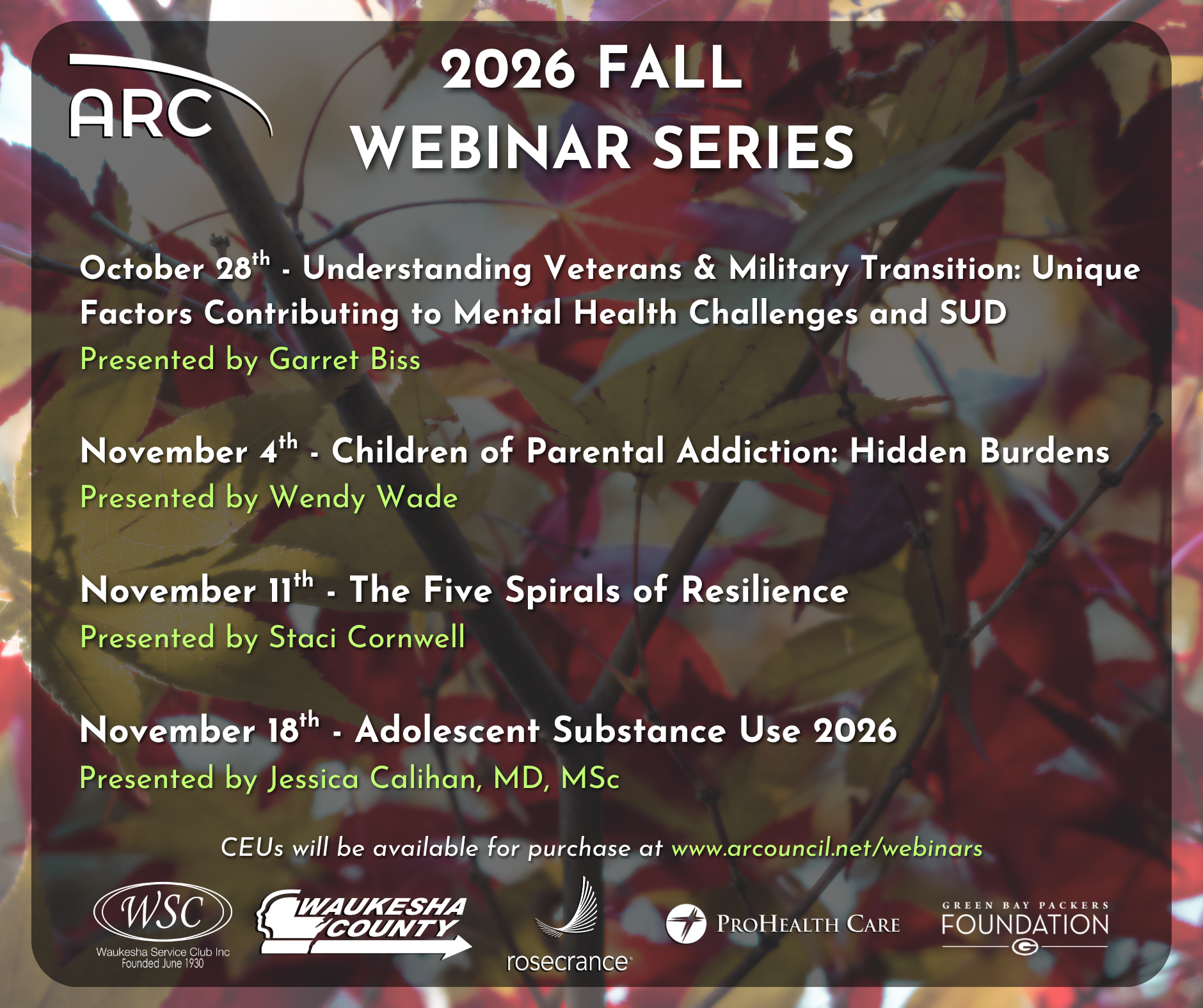
October 28th — Understanding Veterans & Military Transition: Unique Factors Contributing to Mental Health Challenges and SUD
Presented by Garret Biss
11:30am - 1:00pm
Session Description:Military transition can be traumatic—not because veterans are broken, but because core human needs for connection, authenticity, and meaning are disrupted. This foundational training introduces the CAM Framework to help professionals understand veteran-specific risk factors for co-occurring mental health and substance use disorders, improve engagement, and address root causes beyond symptoms. Participants gain practical insight and tools to better support veterans—and other transition-impacted populations—through a strengths-based, trauma-informed lens.
Learning objectives:Objective #1: Explain how military service and the transition to civilian life can disrupt identity, connection, and meaning, increasing vulnerability to co-occurring mental health and substance use disorders.
Objective #2: Describe how deficits in Connection, Authenticity, and Meaning function as root-level drivers of substance use, disengagement, and relapse risk in veteran populations.
Objective #3: Apply the CAM Framework to interpret common veteran behaviors and barriers to treatment engagement through a strengths-based, trauma-informed lens.
Objective #4: Identify practical strategies for restoring connection, authenticity, and meaning to improve engagement, emotional resilience, and recovery outcomes.
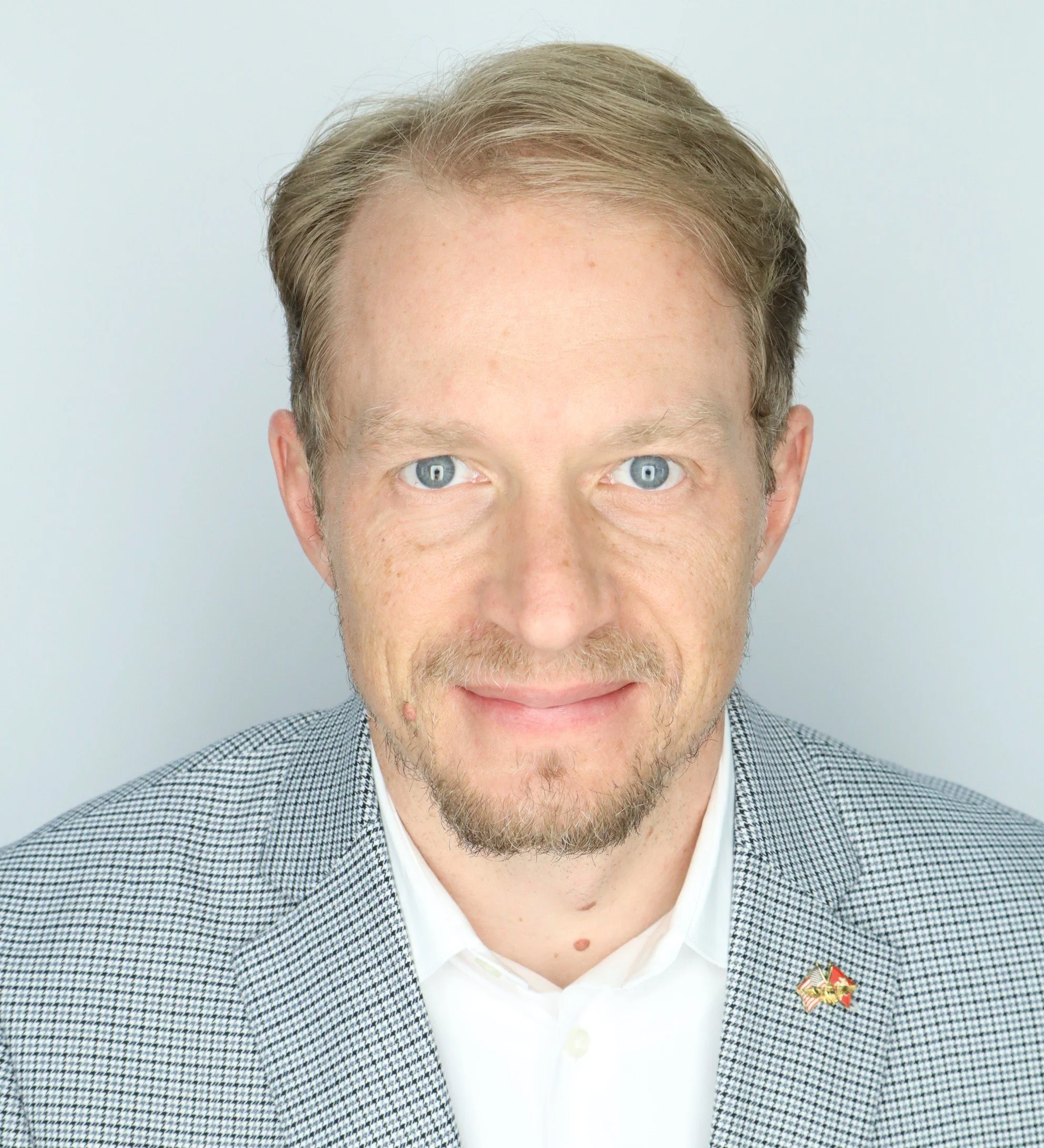
Presenter Bio:Garret Biss is a retired Marine Corps officer, TEDx speaker, author, and founder of Diamond Mind, LLC. After leaving military service in 2015, Garret experienced the disconnection, identity disruption, anxiety, and depression that many veterans face but few are prepared to recognize. His recovery journey from mental health and substance use led him into the study and practice of positive psychology, resilience, identity reconstruction, and post-traumatic growth. Today, Garret helps organizations, workplaces, universities, and veteran-serving teams better understand the human side of military transition and the challenges veterans face after military service. Through his speaking and training, he explores how connection, authenticity, and meaning are disrupted during major life transitions, and how these fundamental needs can be intentionally rebuilt as opportunities for growth. Garret’s work challenges audiences to look beyond survival and stability toward renewed purpose, belonging, and human potential.
November 4th — Children of Parental Addiction: Hidden Burdens
Presented by Wendy Wade
11:30am - 1:00pm
Session Description:In the US, 1 out of 4 children have parent(s) with substance addiction, and others with behavioral addictions. These children deserve informed counseling. This presentation provides information on effects of trauma and chronic stress critical for deeply understanding the reality of the children's lives. Counselors may not know there is addiction in the family since stigma, family secrecy rules about not talking, and fear of not being believed makes identification and intervention challenging. Neurological changes and lifelong consequences may be relational, social, cognitive, academic, attachment, and behavioral. Services are limited for all children, either individual or group. Poverty, parental incarceration, systemic racism, and other forms of discrimination further affect availability. Targeted intervention can lead to prevention of the child's own use, the ability to express feelings, learn trust, feel less isolated, and heal the shame and stigma of parental use so necessary for healing. Recognizing, supporting, and developing resiliencies is also crucial.
Learning objectives:Objective #1: The participants will be able to restate three traumatic adverse effects of parental addition on children’s cognitive, behavioral, physical, and social emotional development.
Objective #2: The participant will be able to explain two ways children carry the families stigma and pain.
Objective #3: The participants will be able to demonstrate understanding of children’s resiliencies to effectively guide them in developing three effective coping skills and heal.

Presenter Bio:Wendy Wade, PhD, LPCC and CADC 1, has worked with children and families throughout her career. She began by facilitating educational support groups with children of parents with substance use disorder in the 1980s when the field was first beginning. She taught in elementary school, both public and private, and was principal in a public elementary school. Her next opportunity was as coordinator of Children's Program at the Betty Ford Center 2000s. She has worked with children and families in community mental health clinics. One position was with Santa Cruz County Children's Mental Health, providing therapeutic support to children in special education, their families, and school staff. She was counselor/case manager with adults in inpatient treatment for addiction and coordinated the family program. She volunteered as weekend camp counselor bi-monthly for 4 years at Camp Mariposa for Children of Addiction (COAS) aged 9-12 who were referred by Youth Services in San Diego. She has continued providing training for teachers, counselors, therapists, and addiction professionals beginning in 2016 to the present and speaks at conferences as often as possible about this marginalized cohort of children who need understanding, along with providing information on how to help them. She also presents on Adult Children of Parental Addiction now. She has been a member and has conducted many online and in-person trainings for the National Association for Children of Addiction (NACOA) and has co-written training curricula, both for in-person training and adapting training and children's programs in online format. She has been an Associate Professor at Palo Alto University in the MA in Counseling Program since 2014. She is lead teacher in the Addiction Counseling Course, and teaches several other classes as well. She teaches classes both in-person and on Zoom. Interests include trauma, addiction, and the effects of addiction on family members especially children. Her BA in Psychology is from Stanford University, MA in MFCC from Santa Clara University, and PhD in Clinical Counseling from Pacifica Graduate Institute. She has a California Alcohol and Drug Certificate. She lives in Capitola, CA.
November 11th — The Five Spirals of Resilience
Presented by Staci Cornwell
11:30am - 1:00pm
Session Description:Join us for an inspiring and practical look at one of today’s most urgent topics, resilience and suicide prevention. Based on the powerful and refreshingly relatable book, The Five Spirals of Resilience, this session offers a new perspective on how we care for ourselves and others. This dynamic presentation will challenge what you think you know about prevention. You will explore the Five Spirals of Resilience, learn how meaningful connection can be a life-saving strategy, and walk away with real tools to make a difference. Whether you are a professional, parent, student, or someone who just cares about people, this session is for you. Backed by evidenced-based practices, personal insight, and deep professional experience, Staci’s approach is both deeply human and incredibly practical.
If feeling disconnected is one of our highest risk factors for suicide, then helping someone feel connected should be one of our top suicide prevention strategies. But it is not… I am hoping to change that. My hope is that you will leave feeling motivated, empowered, and ready to spark new ideas for creating safer, more connected communities. Don’t miss this opportunity to be part of a movement that’s changing how we prevent suicide together.
Learning objectives:Objective #1: Identify the five spirals of resilience.
Objective #2: Understand the importance of connection in suicide prevention efforts.
Objective #3: Identify ways to create connection.
Presenter Bio:Staci Cornwell is a Licensed Mental Health Counselor and a certified Child and Geriatric Mental Health Specialist with over 25 years of direct experience supporting individuals in crisis from youth to older adults. Her passion lies in changing the conversation around crisis and suicide prevention by focusing on upstream, connection-based approaches, and emphasizing resilience as a core prevention tool.
As the founder and CEO of STACIA LLC, Staci brings a fresh, hopeful perspective to some of our most difficult topics and is known for her dynamic speaking style, humor, and ability to turn complex challenges into actionable insight. She is a trusted expert in the field, and the Author of The Five Spirals of Resilience. Her message resonates across industries because it is rooted in something everyone needs; connection.
Staci is the Mental Health Coordinator for her school district, serves as Chair of Prevent Suicide Spokane Coalition, and an active member of other community coalitions, collaborating closely with schools, first responders, non-profits, and other partners to build a more connected and resilient community. Her passion lies in equipping others with the tools to support those in need before a crisis begins.
November 18th — Adolescent Substance Use 2026
Presented by Jessica Calihan, MD, MSc
11:30am - 1:00pm
Session Description:In this session, we will review adolescent substance use epidemiology, risk factors, and prevention and treatment strategies to prepare youth-serving interdisciplinary providers to support youth and families with substance-related concerns.
Learning objectives:Objective #1: Describe the changing landscape of adolescent substance use.
Objective #2: Identify opportunities to address potential risk factors for adolescent substance use initiation and intensification.
Objective #3: Address adolescent substance use with brief interventions, pharmacotherapy, family engagement, referral to treatment, and harm reduction strategies.
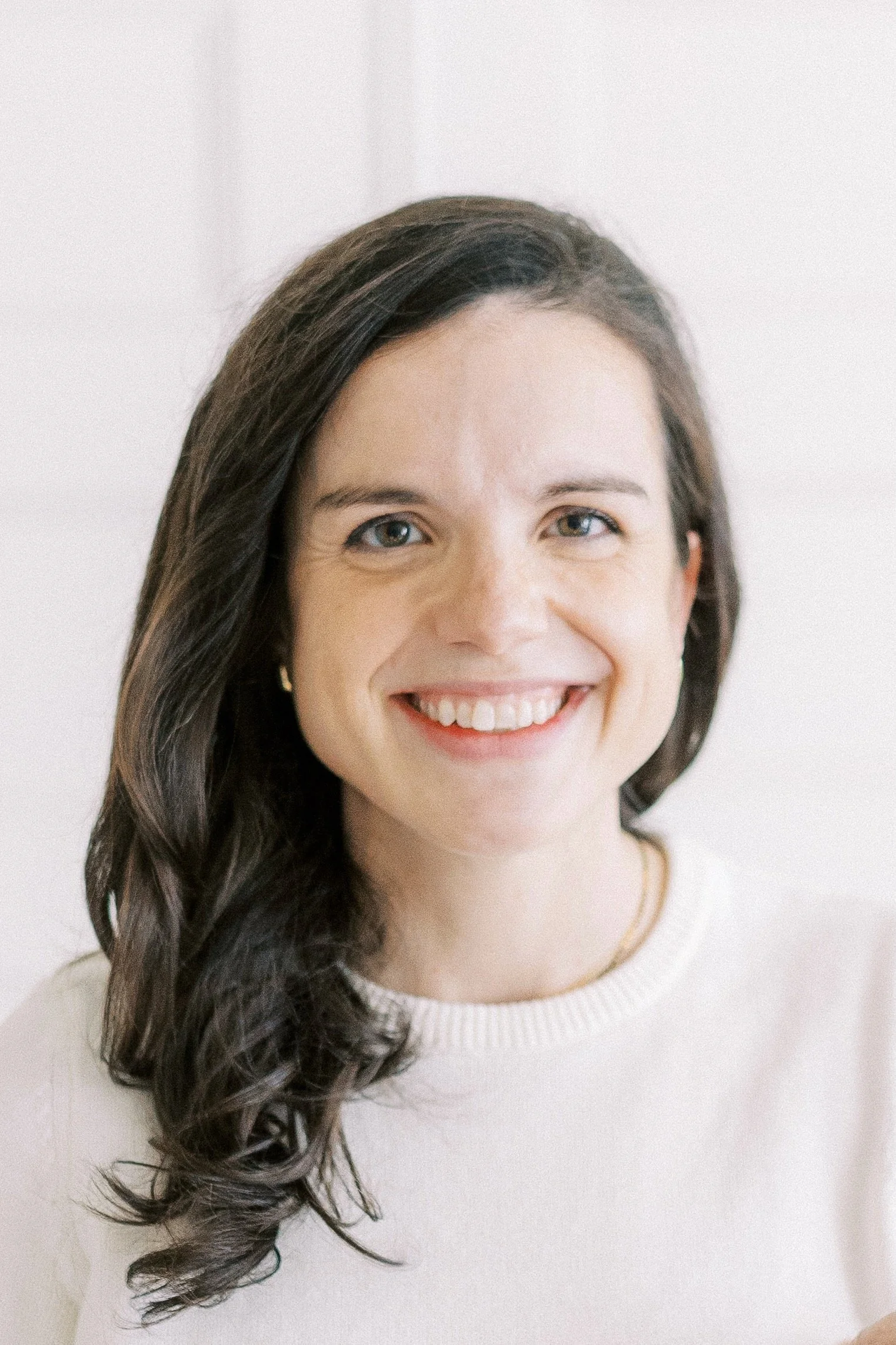
Presenter Bio:Dr. Jessie Calihan is a quadruple-boarded pediatrician and internist with specialty training in adolescent and addiction medicine in the Department of Pediatrics at Mass General Brigham for Children. Her work also focuses on prevention of adolescent substance use and related consequences, including overdose. Clinically, she provides primary and substance use treatment for youth.
She attended medical school at Columbia College of Physicians & Surgeons before completing the Urban Health Internal Medicine-Pediatrics residency at Johns Hopkins Hospital and fellowships in pediatric addiction medicine and adolescent medicine at Boston Children’s Hospital.
CEUs available for purchase. Must attend the live webinar IN FULL (11:30am - 1:00pm) and with your own device/email to be eligible for CEU/Certificate.
Want to see more webinars? Subscribe to our newly updated webinar platform!
ARC Webinars feature talks from experts on topics and issues that matter most in preventing substance abuse for today’s youth.
ARC Webinars feature talks from experts on topics and issues that matter most in preventing substance abuse for today’s youth. You will have exclusive access to any and ALL webinars we have ever hosted, as well as presenter PowerPoints and handouts (if presenter allows). We are constantly adding new webinars and updating our content!
For only $2.99 per month, subscribers will have access to exclusive webinars as well as presenter PowerPoints (if presenter allows). We are constantly adding new webinars and updating our content! Our current webinar library consists of the following webinars:Everything You Want to Know About Delta 8
Xylazine and the Effects on Public Health
Harm Reduction 101
“You Think You Know.” An Awareness Campaign for Youth, Young Adults, and Parents on the Dangers of Counterfeit Prescription Pills
Substance Use in Native Communities: Adversity, Innovation, Survivance
The Vaping Epidemic in Adolescents
Methamphetamines: The Basics
Wisconsin's approach to underage drinking prevention; Small Talks
Lessons Learned from Marijuana Legalization
The Impact of Cannabis on Mental Health
Marijuana Impairment Training
The Rise of CBD
Anxiety & Depression in Teens
An Overview of Suicidality
Eating Disorders and Self-Injury: Understanding the Risks, Signs, and Interventions
ADHD Facts and Tips
The Other Side of the Epidemic
Addicted to the Screen
Protecting Your Teen Online
The Impact of Legal Marijuana to the Workplace: What Every Employer Must Know
Marijuana: Substance Use and Mental Health Fact vs. Fiction
Growing Up with Chris Farley
Stimulants (Methamphetamine and Cocaine) 2023: Impacts and Treatments
Understanding Eating Disorders and Dual Diagnosis
Gaming and Internet Addiction
Commercialization of Marijuana and Social Justice
Concerning Behaviors and School Violence
Recognizing and Addressing Signs of Substance Abuse in Your College Son or Daughter
Texts, Tweets, and Everything In BeTWEEN
Substance Use Disorder and Teens: What do we need to know?
The Vulnerability of Addiction in Human Trafficking Situations
How to not take a “blind eye” approach in connecting with youth and families regarding substance use disorder
Addictions at the Verge
Experiencing and Coping with Grief during Covid-19 and the Holidays
911 for First Responder
Surviving the #$@* Storm: How to Learn From Adversity and Increase Resiliency Within Your Family System
Youth Substance Use Prevention During COVID 19
ABC’s of THC
Medical Marijuana: A Critical Look at Medicine, Politics, Public Health, and Profits
AND SO MUCH MORE!
All webinars are 60-90 minutes in length.
“I LOVE THESE PRESENTATIONS! I’m recommending them to my colleagues. Absolutely fantastic and quality speakers. I learn so much and feel the information provided is current and relevant. It’s refreshing to have opportunities like these to enhance professional practice.
Thanks so much!”